
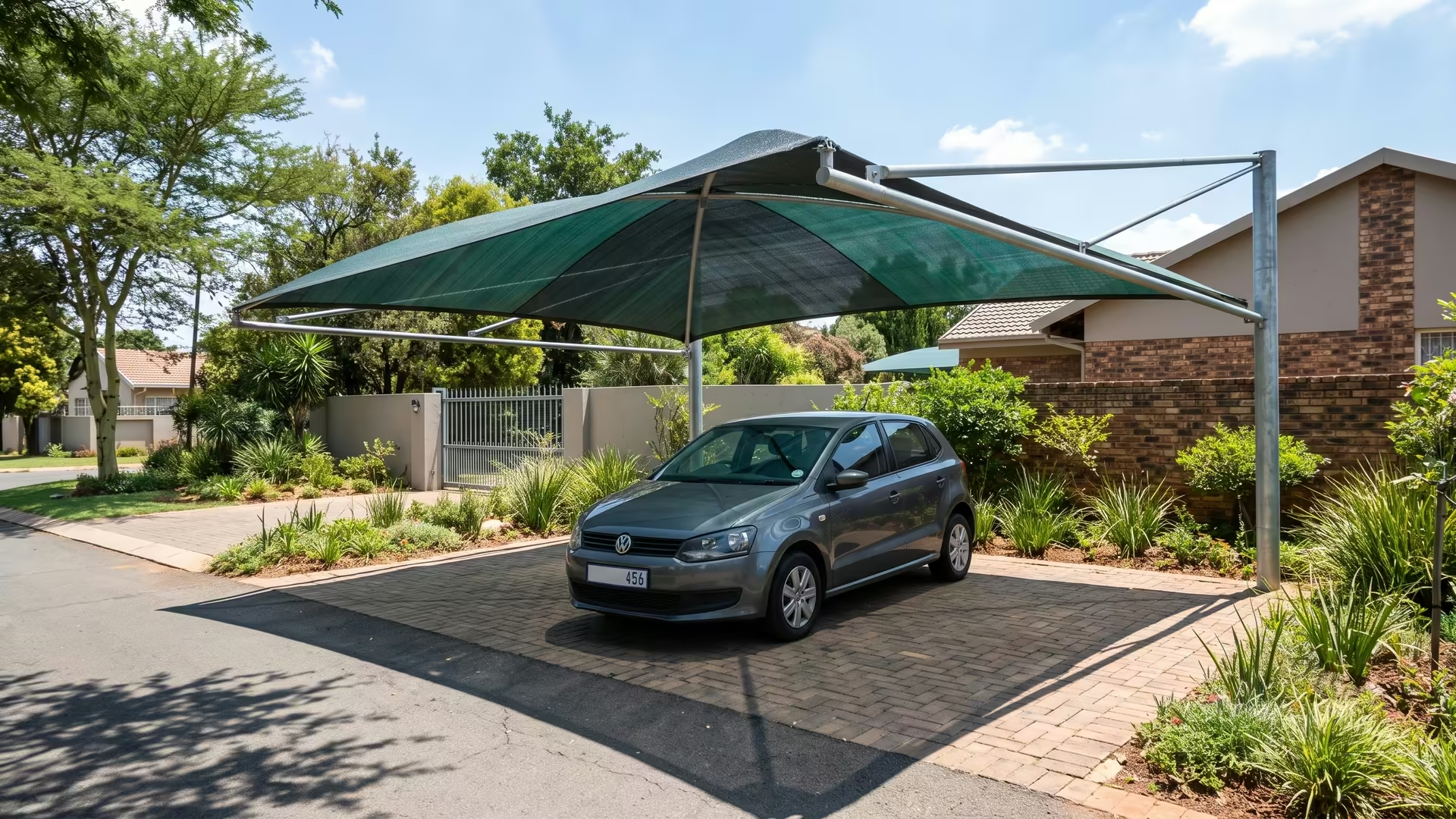
What a shadeport is — and what it protects
A shadeport is a tensioned shade-cloth roof, usually 80–95% knitted HDPE net, stretched over a galvanised steel frame. It blocks most of the UV that fades dashboards and cracks trim, drops the cabin temperature on a Joburg summer day, and catches leaves, bird mess and light hail. It is the cheapest way to get a car under cover — roughly a third less than a steel carport — which is why shadeports are common across the southern suburbs and on second-vehicle bays.
| Shadeport | Size | Price band |
|---|---|---|
| Single | 3m × 6m | R4,500 – R9,000 |
| Double | 6m × 6m | R8,000 – R16,000 |
| Triple | 9m × 6m | R13,000 – R22,000 |
Shade net and Highveld hail — the honest answer
Shade cloth stops sun and slows small hail, but it does not stop the large stones a Highveld storm drops — those pass through or tear the net. If hail protection is the reason for the cover, a steel-and-IBR carport is the right buy, not a shadeport. The full comparison is in carport vs shadeport and the hail detail in carports and Highveld hail. A shadeport is the right call when UV, heat and budget are the priorities and hail cover is not.
Shade cloth density — the number that decides the cover
Shade cloth is sold by the percentage of light it blocks, and the percentage is the specification that matters. KB Carports fits knitted HDPE net in three densities, all UV-stabilised for South African sun. An 80% net is the common driveway grade; 95% is the dark, close-knit cloth used where the car stands all day in full west sun. Knitted net is specified rather than woven because a knitted cloth resists laddering — a tear in woven cloth runs across the whole panel.
| Shade cloth | Light blocked | Best for | Expected life |
|---|---|---|---|
| 80% knitted HDPE | 80% | Standard driveway cover | 8 – 10 years |
| 90% knitted HDPE | 90% | Full-sun north and west stands | 8 – 10 years |
| 95% knitted HDPE | 95% | All-day parking, darkest cover | 10 years |
Cloth is tensioned onto a galvanised frame, not stapled, so it stays taut through the Oct–Mar storm season. A correctly tensioned net sheds water; a slack one bags, holds water and tears at the fixing points. Re-tensioning is the single most common shadeport repair, and it is covered under carport repairs.
Shadeport or steel carport?
Choose a shadeport for a shaded, cooler car at the lowest price; choose a steel carport when the car must survive a hailstorm. Many households fit a steel carport over the daily car and a shadeport over the second — and where the driveway has no room for a front post, a cantilever carport is the solid-roof option that keeps the frontage clear. See all of them on the carport prices in Johannesburg page. A shadeport is the budget entry point to carports in Johannesburg, below every solid-roof structure.
Common questions
How much is a shade net carport in Johannesburg?
A shade net carport (shadeport) in Johannesburg costs from R4,500 for a single, R8,000–R16,000 for a double and R13,000–R22,000 for a triple, supplied and installed — roughly a third less than an equivalent steel carport.
Does a shadeport protect against hail?
No. A shadeport blocks UV and slows small hail, but it does not stop the large hailstones a Highveld storm drops — those tear or pass through the net. For real hail protection, a steel-and-IBR carport is the right cover.
What percentage shade cloth is best for a carport?
80% knitted HDPE is the standard driveway grade. On a north- or west-facing stand where the car sits in full sun all day, 90–95% gives noticeably cooler cover. All three are UV-stabilised and last 8–10 years on a properly tensioned frame.
What is the difference between a shadeport and a carport?
A shadeport has a tensioned shade-cloth roof for UV and heat at a low price; a carport has a solid steel, polycarbonate or timber roof that also stops hail and rain. The carport-vs-shadeport guide sets out which suits your need.